REMNANT OF MY FAINT CONSCIOUS

Mexicano 2011 - NOW
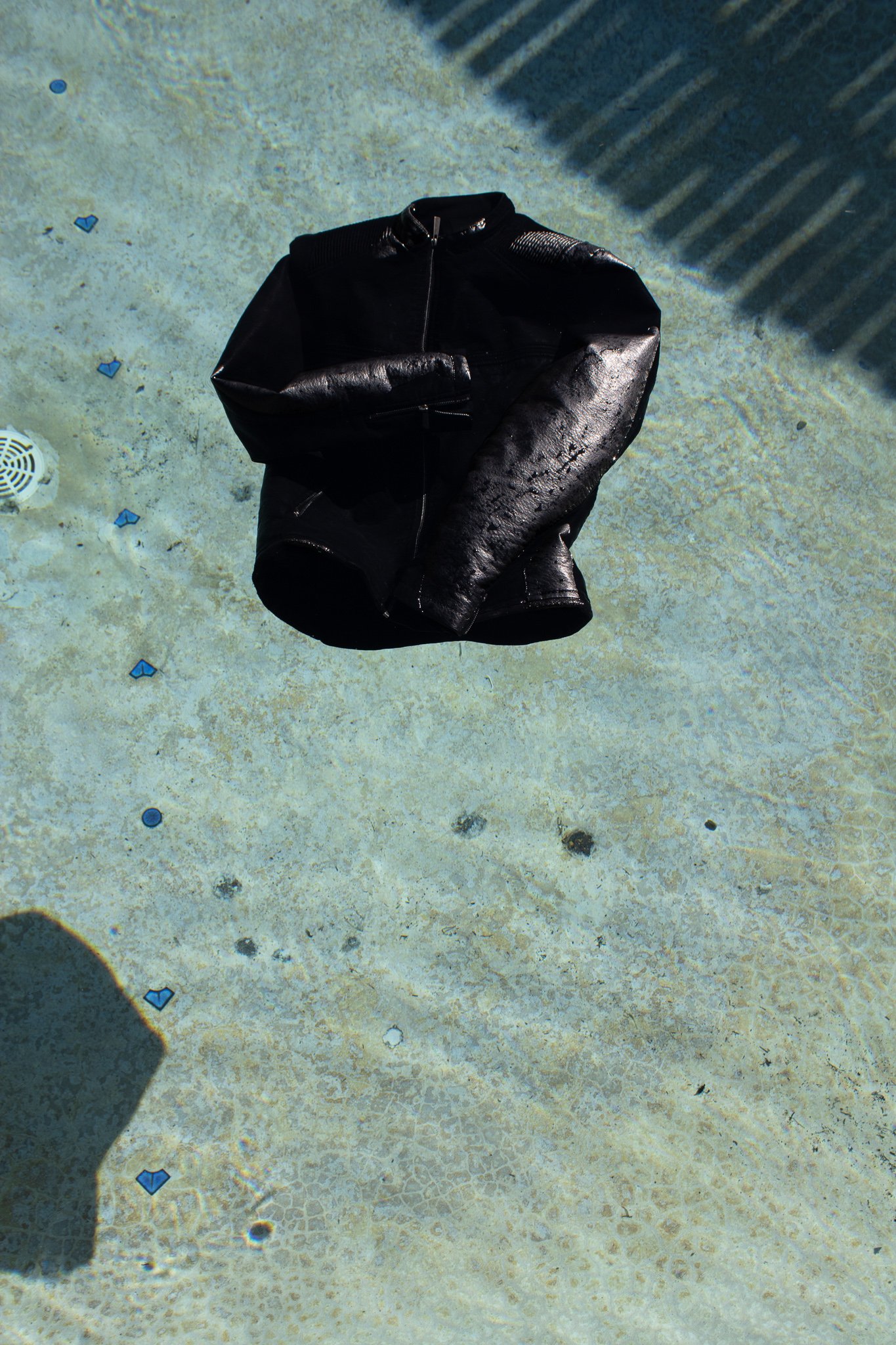
"" 2011 - NOW

Deux: No. No. No. Je sais! 2011 - NOW

Afternoon Emancipation 2011 - NOW

Pink Whoa 2011 - NOW
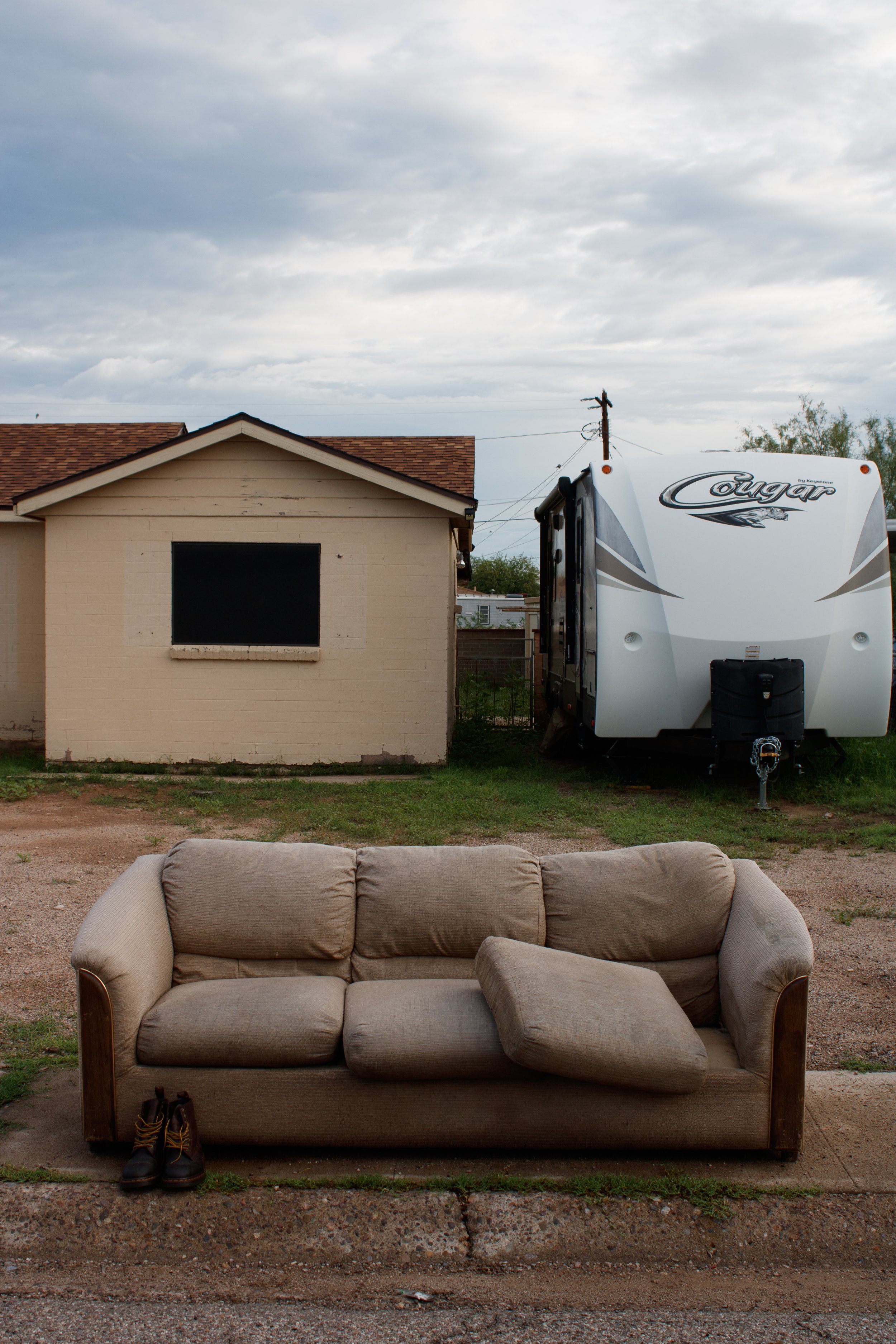
Company 2.0 2011 - NOW

Atonement 2 2011 - NOW
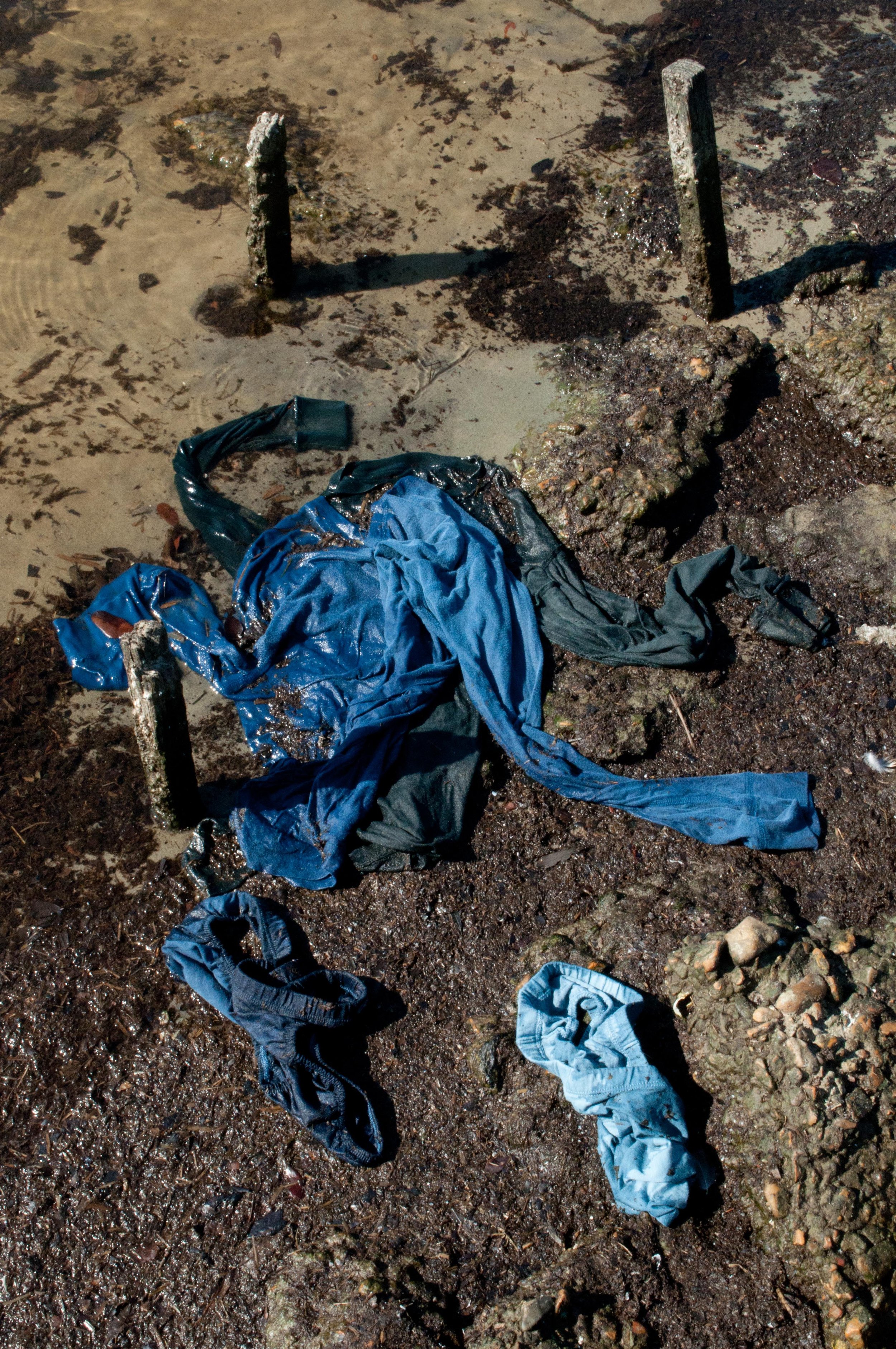
Stigmata 2011 - NOW
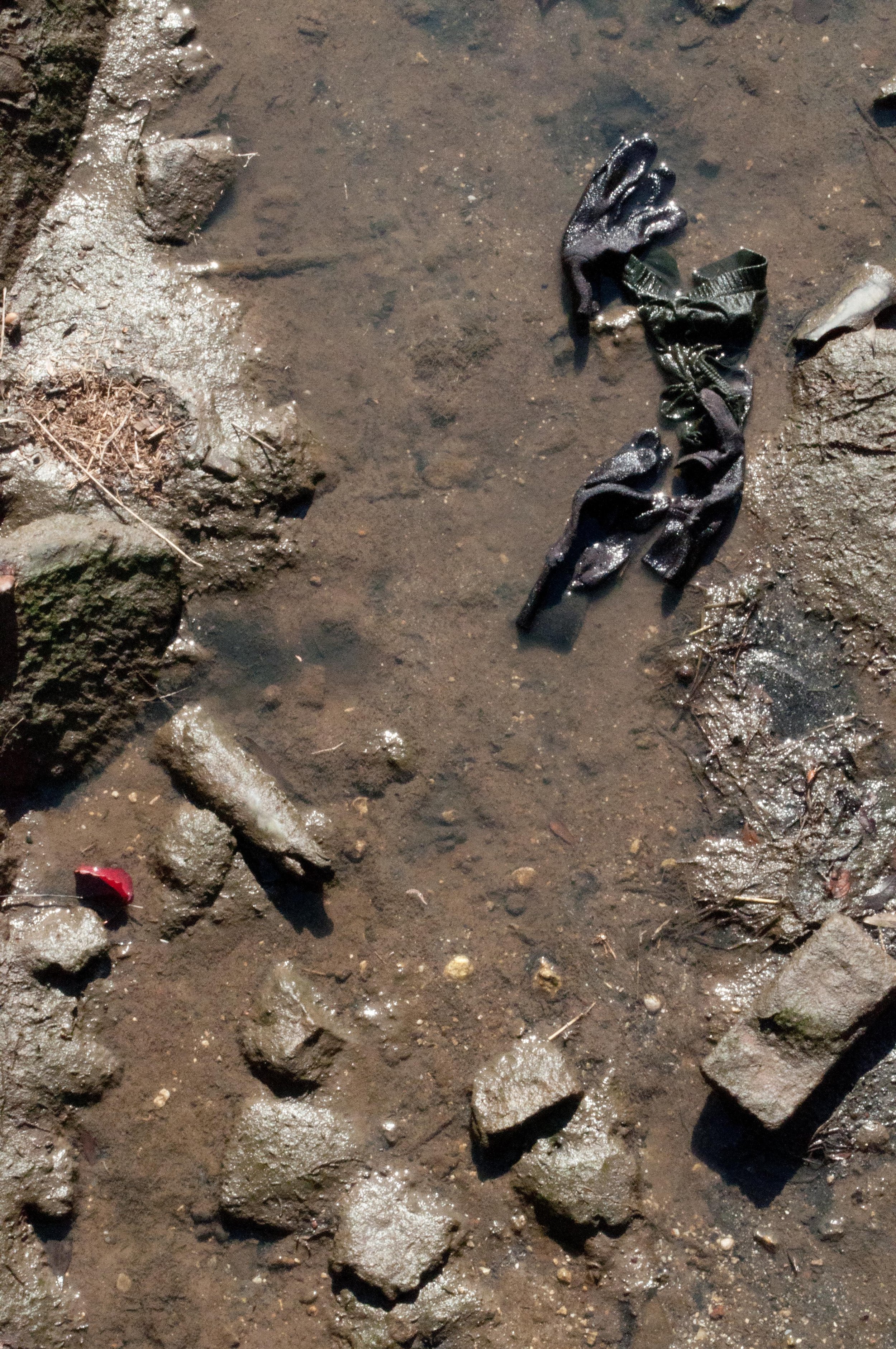
Waifs 2011 - NOW
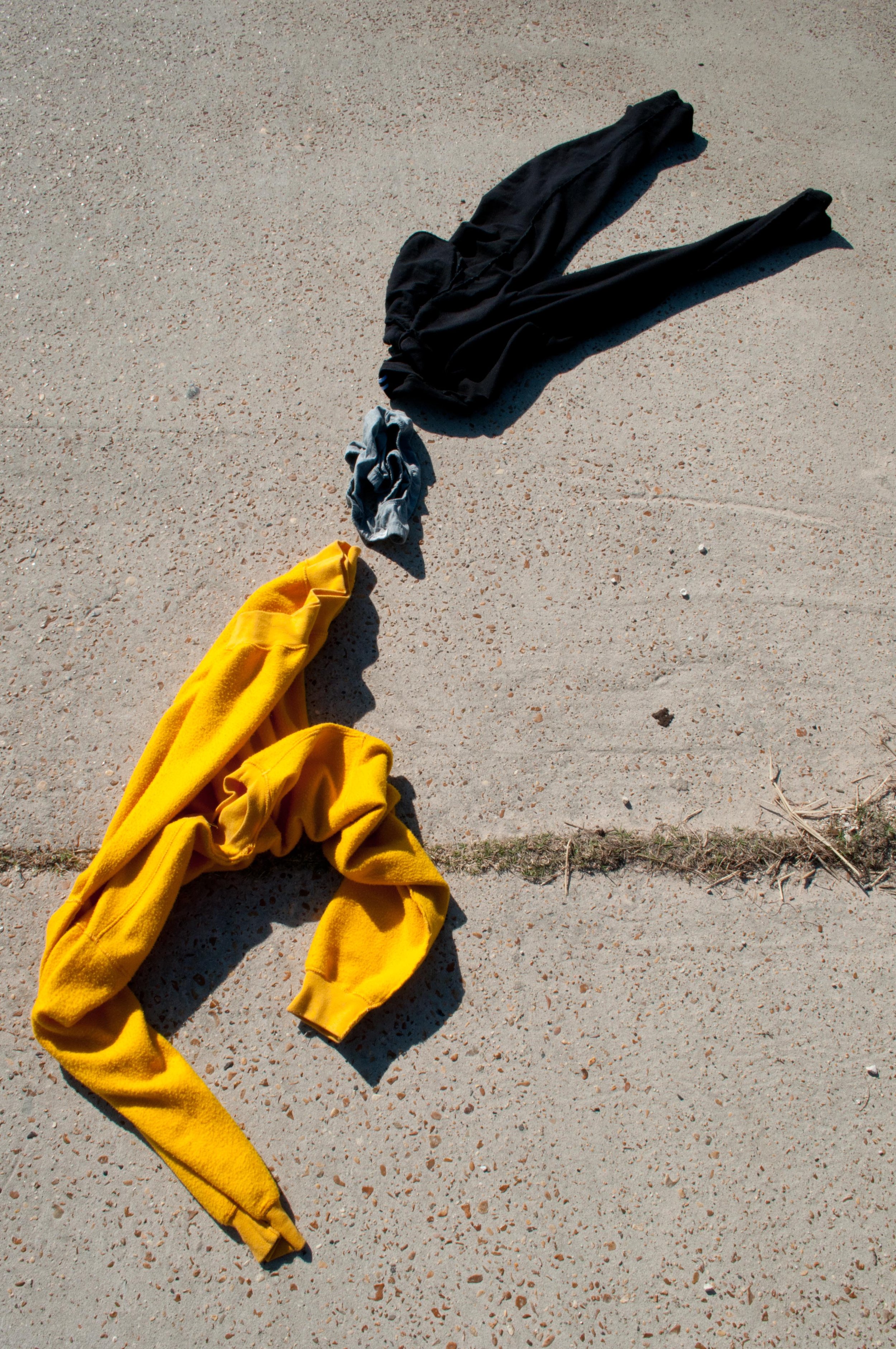
Fall Of Man 2011 - NOW

I Get It. I Get It. I Get It. I Get It. 2011 - Now

Back In The Day, 1995 2011 - NOW

Who? What? When? Where? How? 2011 - Now

Une: Inhale. Par. 2011 - NOW

Hands Up 2011 - NOW

Languish Via Pantomime 2011 - NOW
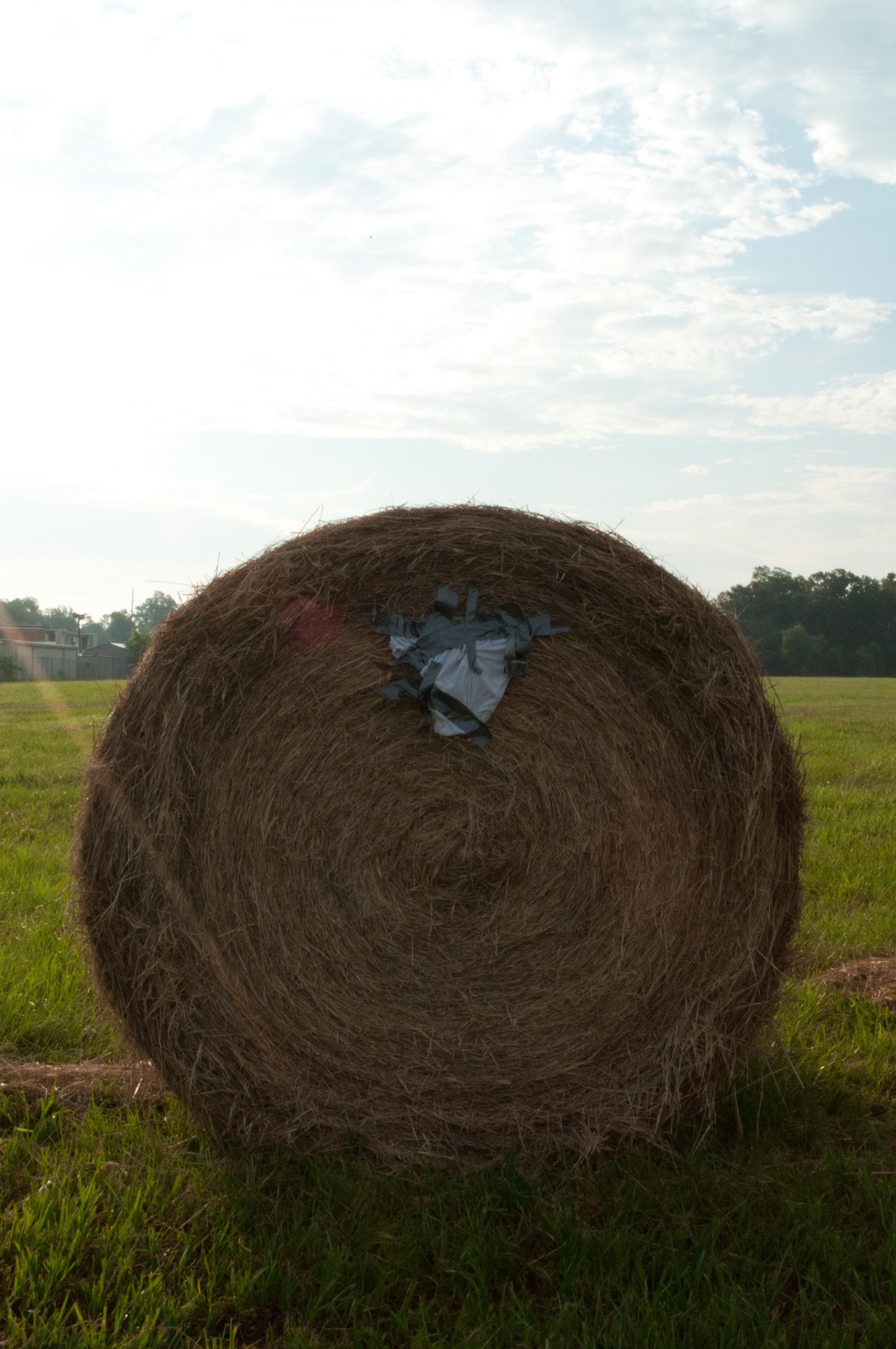
Morning Solitude 2011 - NOW
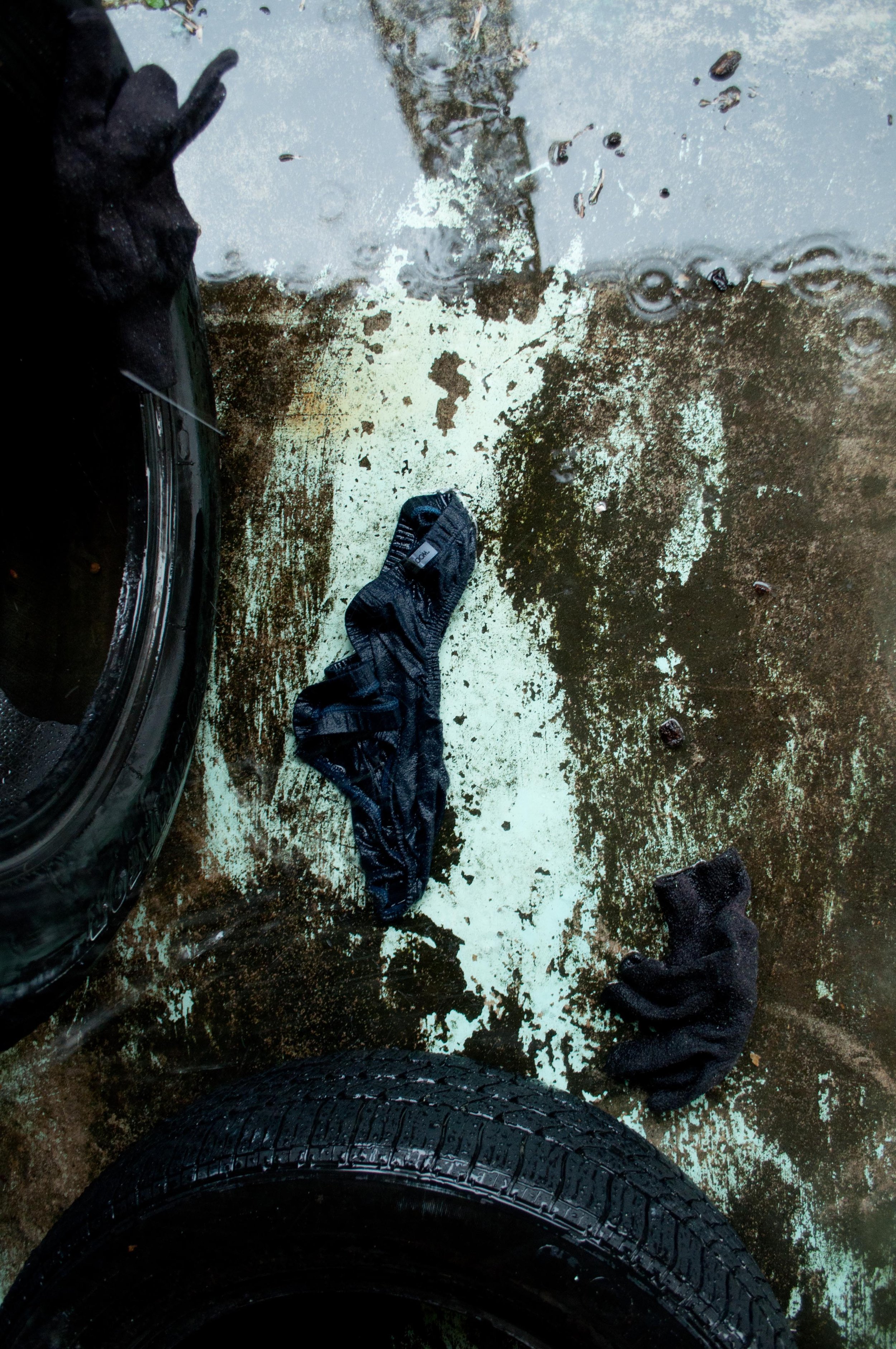
Mar 2011 - NOW

Company 2011 - NOW

I'm Not Quite Certain of Your Love 2011 - NOW

Inseparable 2011 - NOW
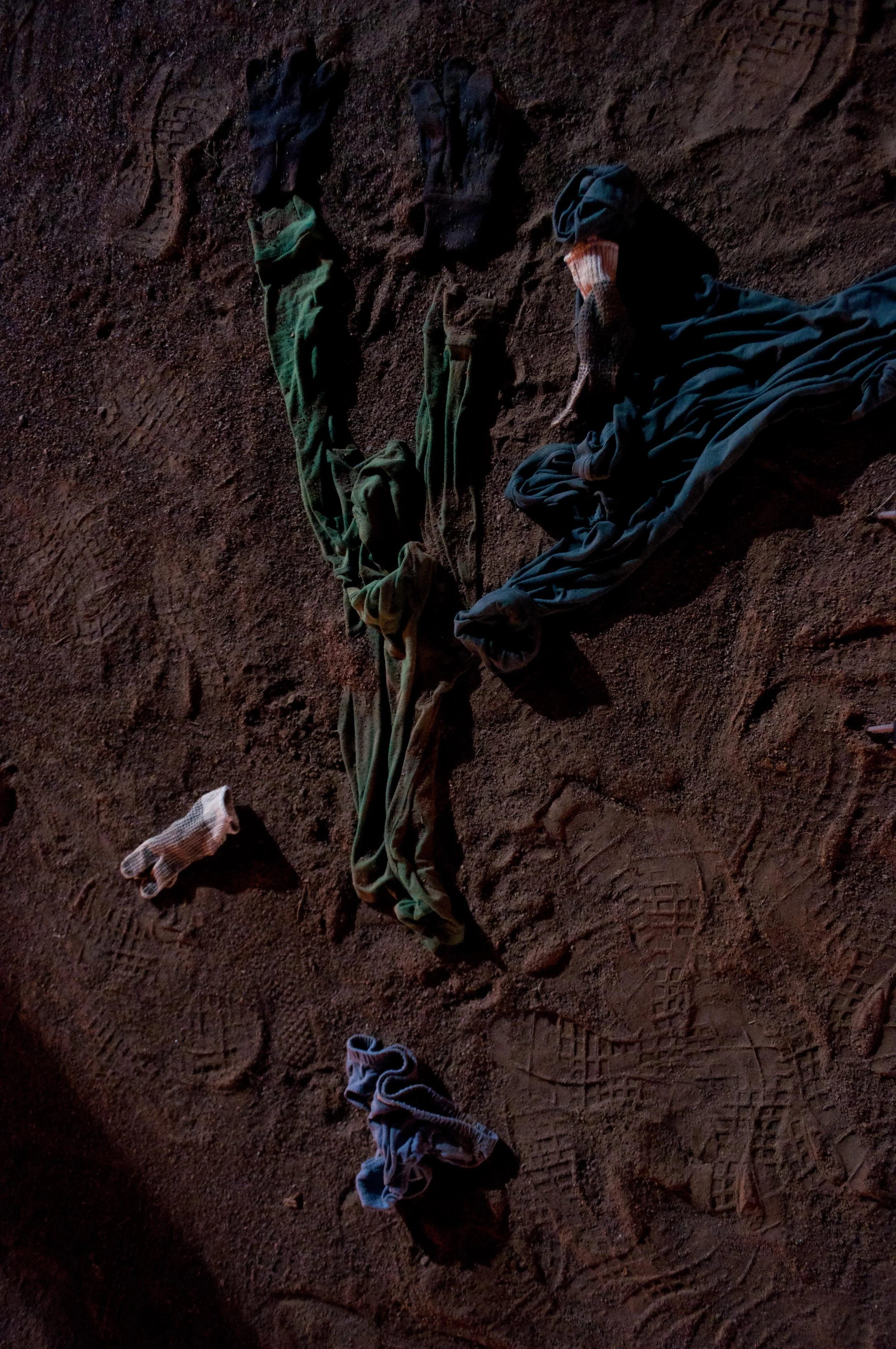
Midnight Fight 2011 - NOW

Alley Vibes 2011 - NOW
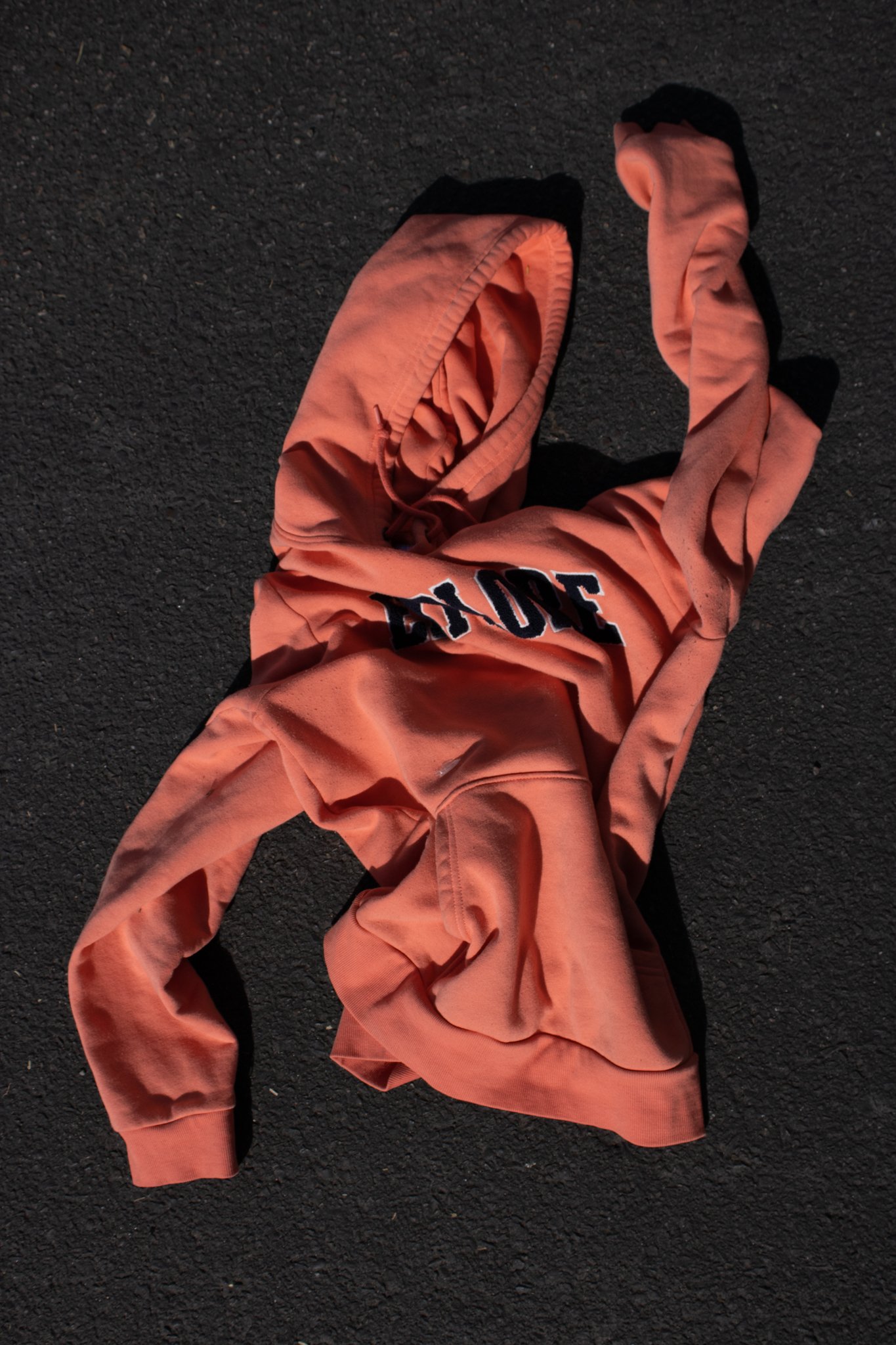
Untitled 2011 - Now
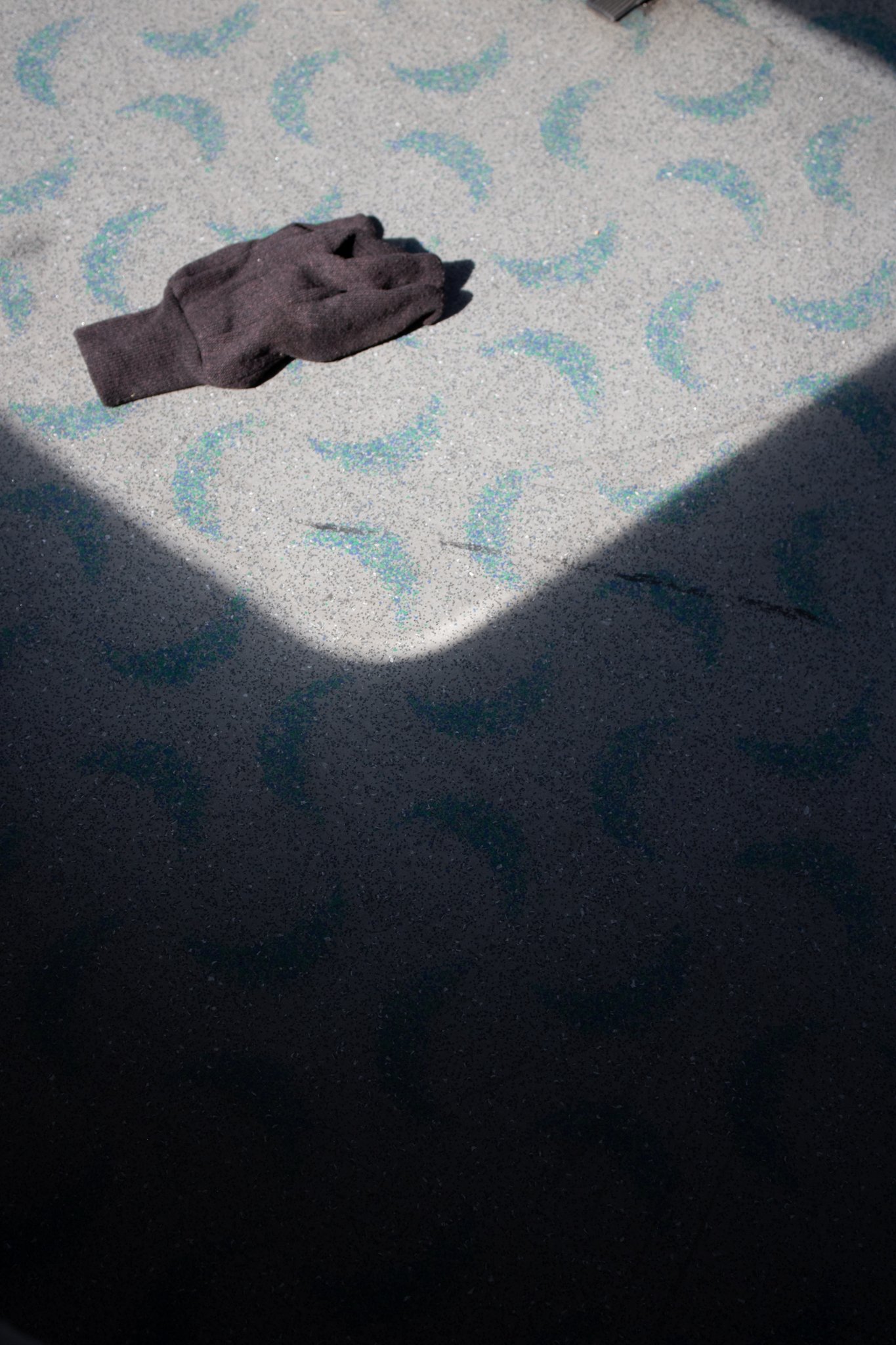
Joy Ride 2011 - NOW
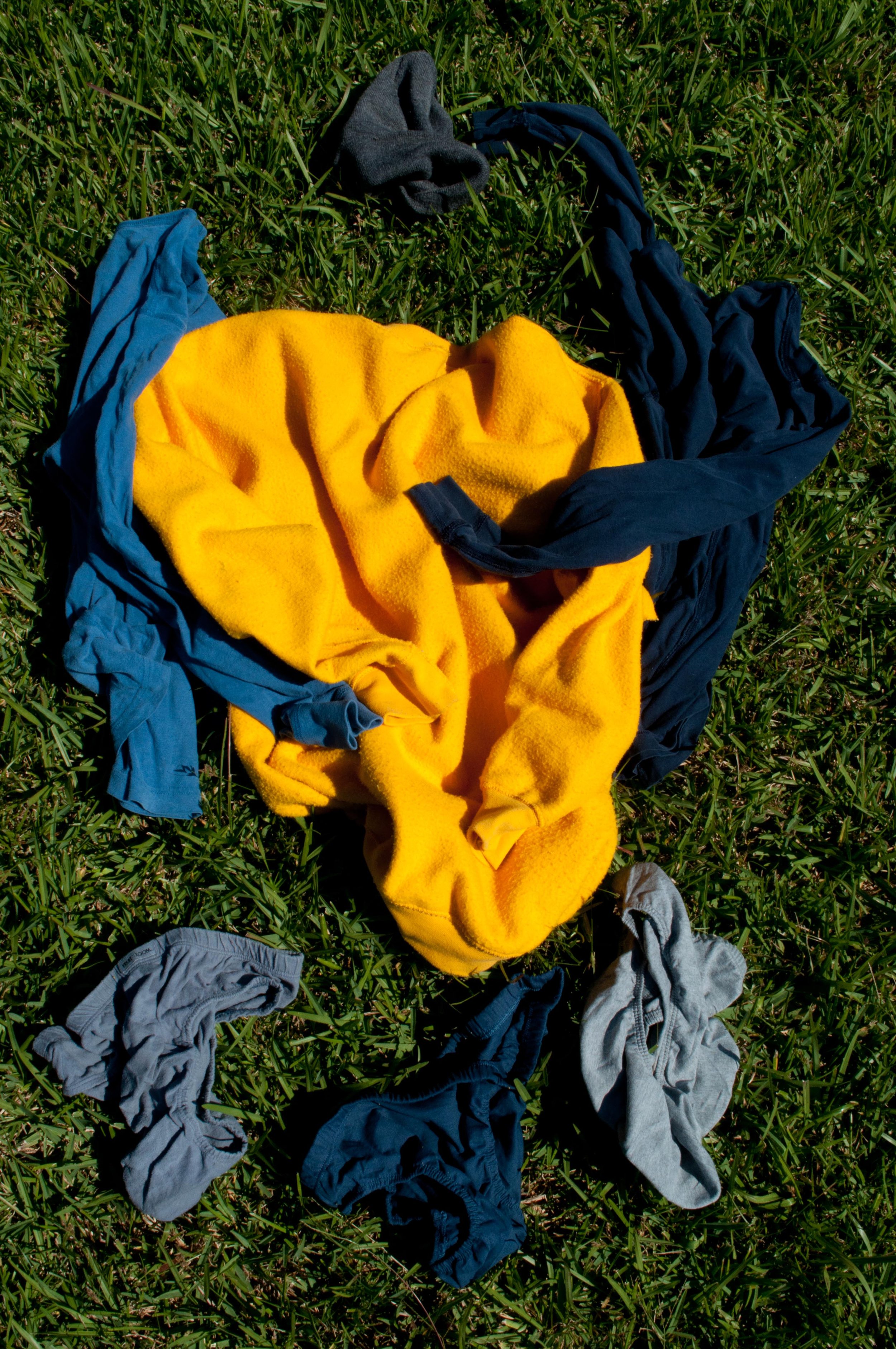
Love, Bigots Don't Want To Understand 2011 - NOW
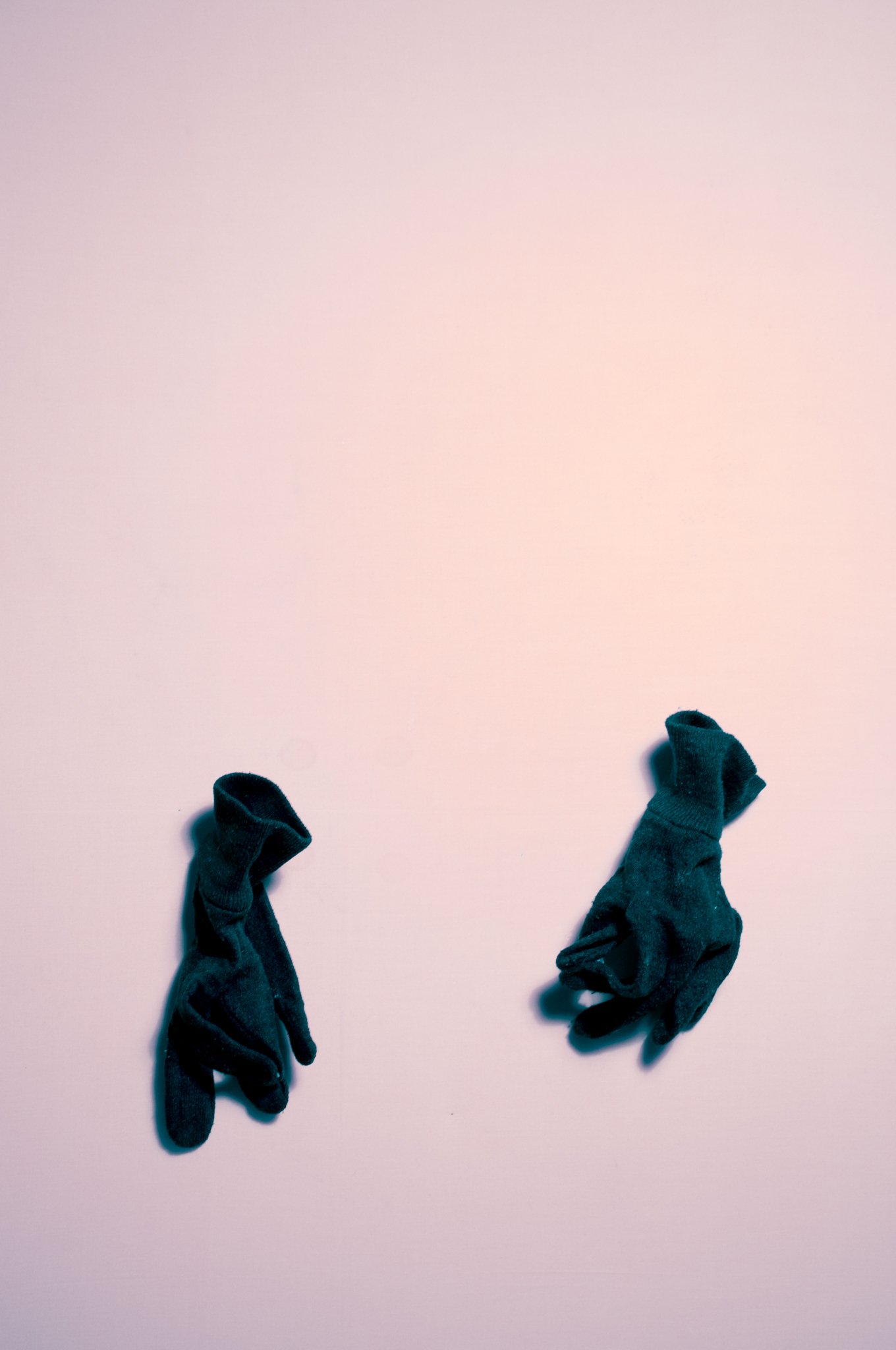
Aaliyah's Blueberry Dream 2011 - NOW

Don't Start Feeling A Way 2011 - Now

Hardly Breathing 2011 - NOW
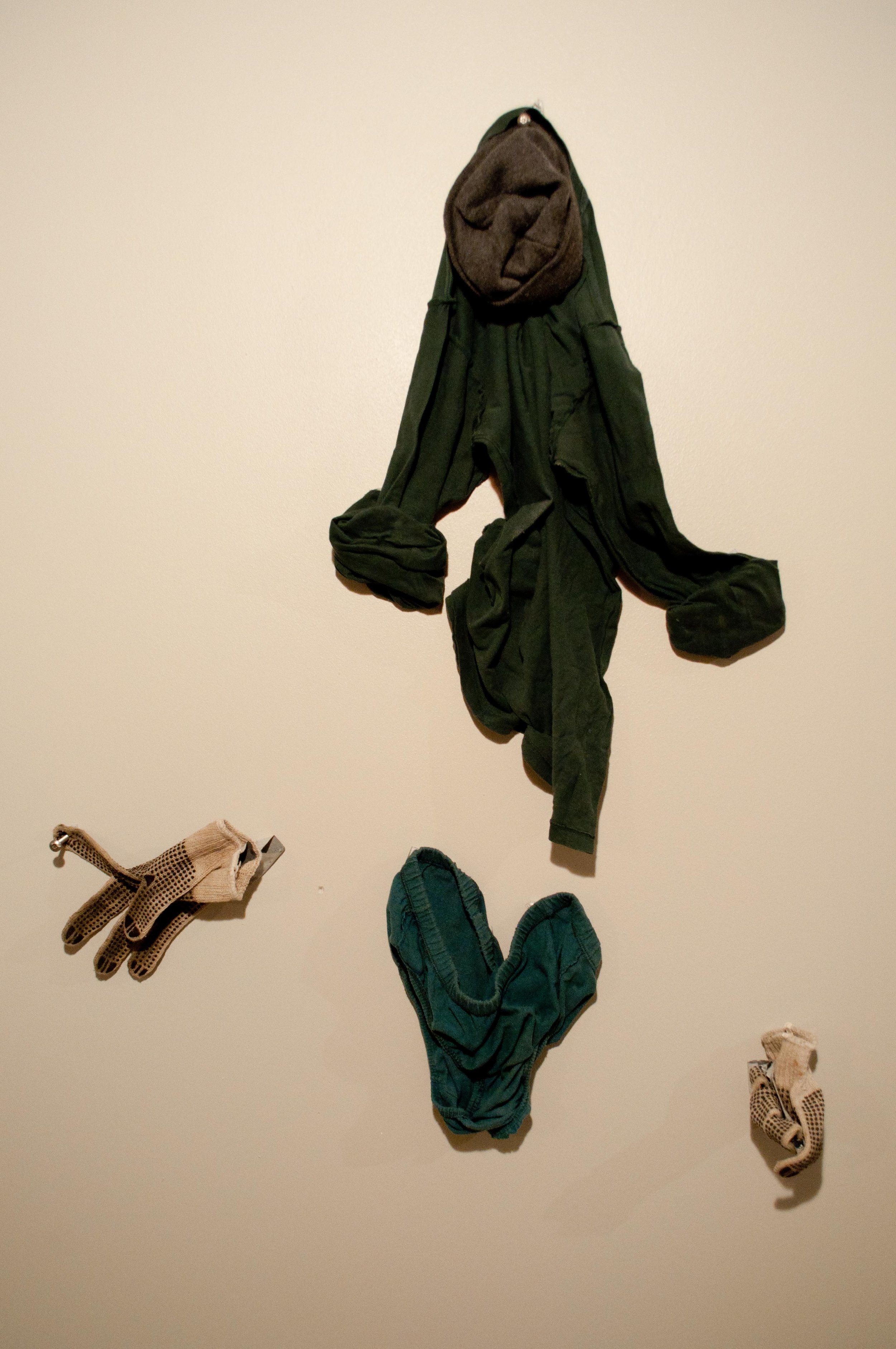
Decisions 2011 - NOW

Another Again 2011 - NOW

Evening Pant 2011 - NOW

Shadows 2011 - NOW

Eunich 2011 - NOW

ON SECOND THOUGHT 2011 - NOW
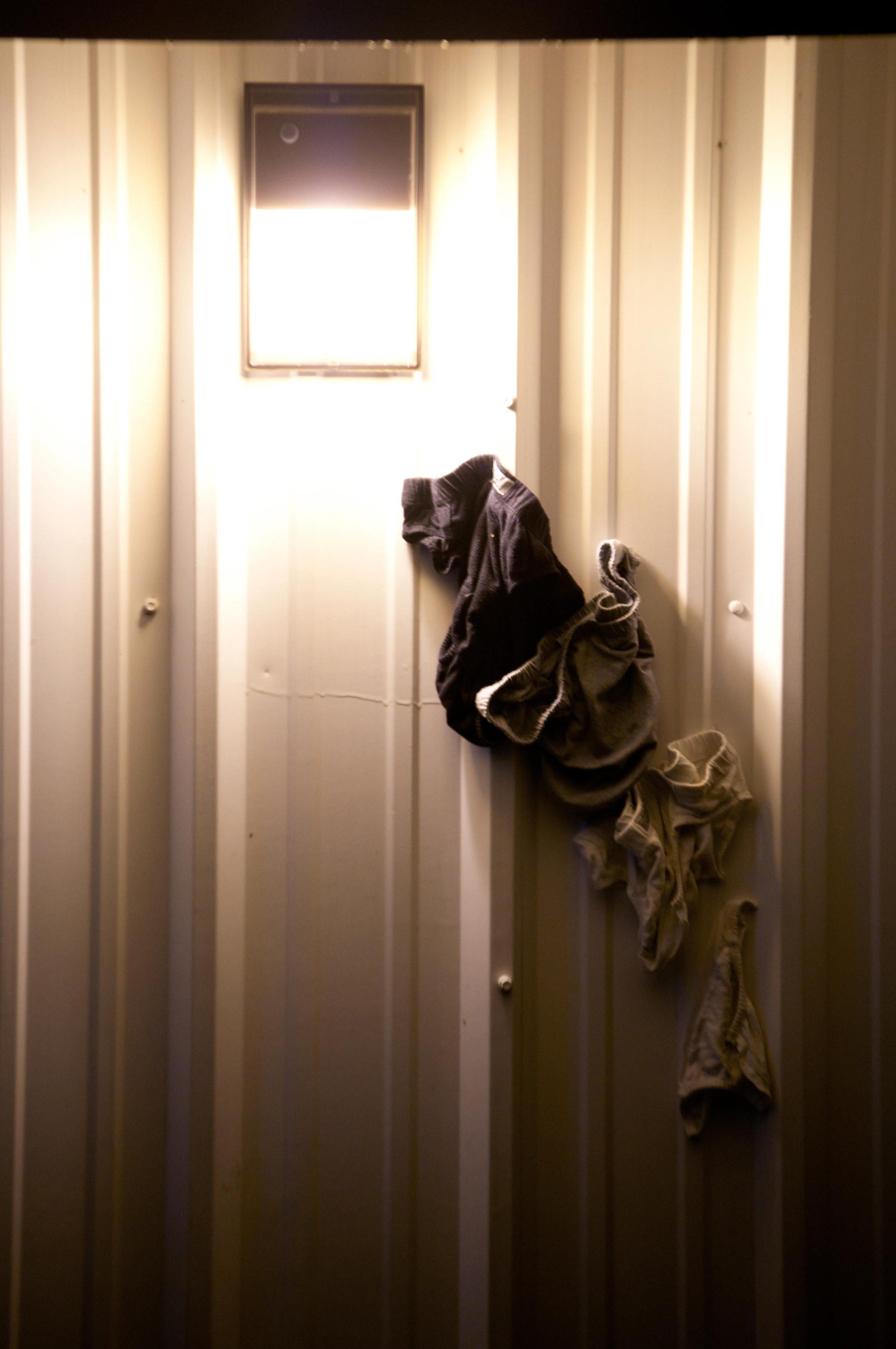
Dessension 2011 - NOW

"Go'on Dance" 2011 - Now
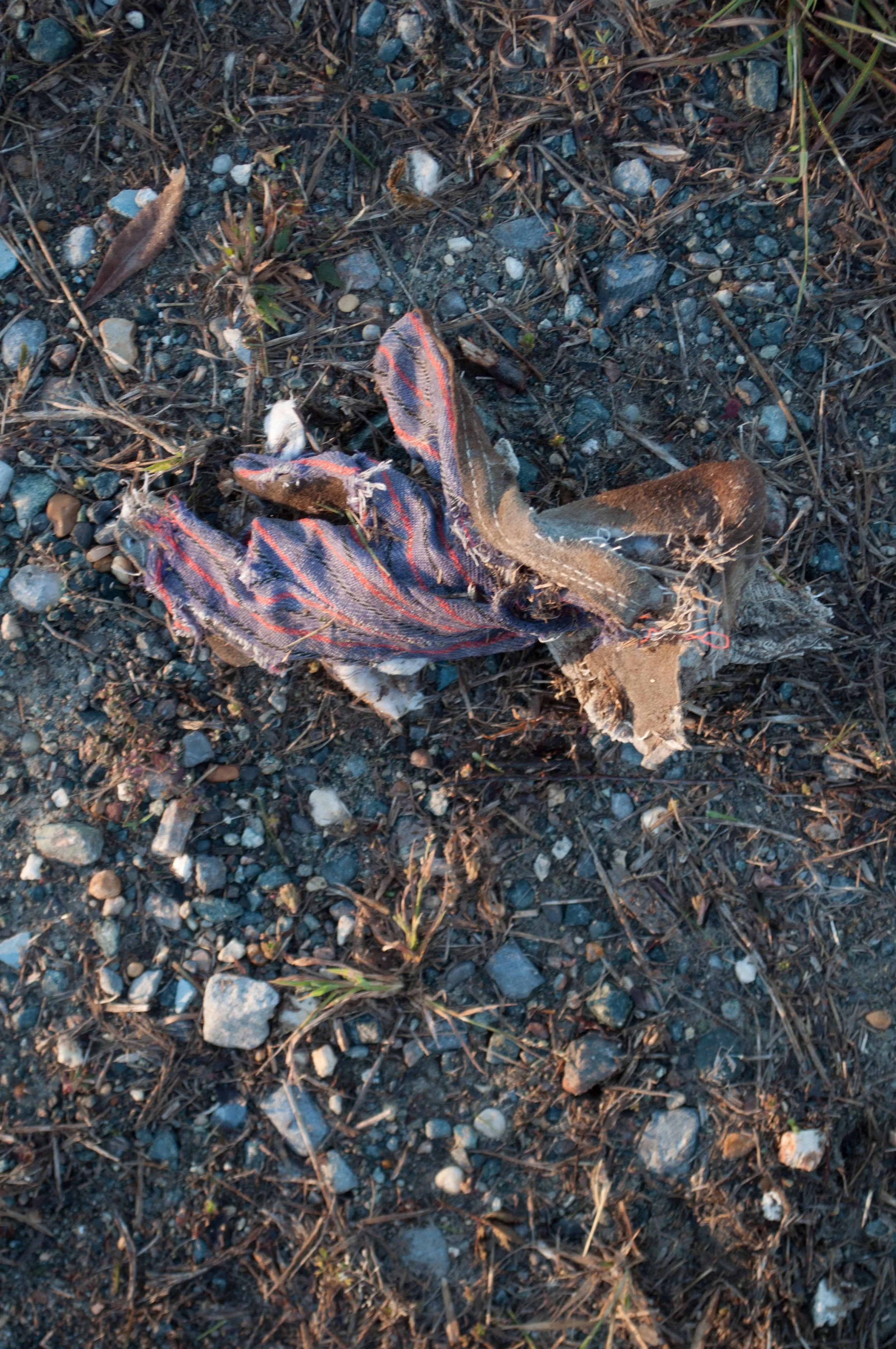
Atonement 2011 - NOW

COCOA 2011 - NOW
Artist Statement
Christianity, sacrifice, male standards of society and relationships are ideas in flux in my images. They constitute a soundless rebut that questions how men ought to display affection between one another. These elusive images indicate my attempt to unveil dejected spirits of benevolent men who are afraid of scrutiny by some conservative southern men because of love and make sense of the disapproval of male on male affection. Southern men’s perversions and biases of love aid as a negative motivating force for me to give an account of intimate relationships between men; relationships disconnected from homosexuality in the manner of personification.
Worn and discarded clothing serves as a vehicle for expression, signifying a transition of time that represents situations created from my imagination and past experiences. Clothing takes the shape of a person’s body, alluding to the ideas of inhabitation and possession. The clothing in my images creates ambiguous forms to conceal physical attributes of men. The personified forms seem to be in a state of dubiety in obscure places, conveying despondence because of a social stigmata of the south. The absence of a human figure is necessary for my images because I do not want anyone to compare a male model with someone he or she may recognize.
The Holy Bible is a reference I use because it symbolizes a spiritually pure quality of love. It also supports my reasons for male on male affection. There are a few passages in the Bible that advocate male on male affection. One passage, in particular, describes Jesus confronting Simon Peter about love and forgiveness. Jesus states in the Gospel of Luke that Simon Peter gave him no water for his feet, no kiss, nor did he anoint Jesus’ head with oil. Jesus was implying that he desired to be loved by Peter.
The iconography of my images foments the mind of the viewer. I am working openly in an environment with a subject matter that is deemed to be private and taboo among heterosexual, conservative men. The numbers and the juxtapositions of the clothing to one another foster a blatant, yet, at times, subtle view of how compassionately men can act toward the ideas of love. These images, saying, “You, too, have these same feelings. You, too, want to be loved regardless of the person’s gender,” denotes there is not anything wrong with two people loving one another. Essentially, I am trying to reconcile multiple violations that were imposed upon me as a youth.